

MISAME PROJECT
The MISAME Project is designed to unlock and clinically validate the immune reprogramming potential of MDC-735, a first-in-class bifunctional immunotherapy for glioblastoma. The project establishes mechanism-anchored biomarkers of response that capture immune activation, tumor microenvironment remodeling, and immune memory induction: critical elements for value creation in early-phase clinical development.
Rather than focusing solely on safety readouts typical for First-in-Human trials, MISAME enables early biological proof of efficacy, significantly enhancing the clinical, translational, and commercial attractiveness of MDC-735 for Phase I/II programs and strategic partners.
Why MISAME Matters
MISAME is delivering pharmacodynamic and immune response markers that:
-
Demonstrate in vivo immune activation and reprogramming
-
Provide early evidence of anti-tumor immune engagement
-
Enable dose–response optimization
-
Increase asset valuation well before late-stage efficacy trials
This approach transforms Phase I/II trials from risk-mitigation exercises into value-inflection milestones.
Glioblastoma: Reprogramming the Immune-Cold TME
Glioblastoma (GBM) is among the most immunosuppressive and lethal solid tumors, characterized by a deeply hostile tumor microenvironment (TME). MDC-735 is engineered to convert this immune-cold environment into an immune-active state.
Our therapy not only eliminates tumor cells but also:
-
Activates innate and adaptive immunity
-
Triggers immunogenic cell death
-
Reprograms the TME
-
Induces durable immune memory
Preclinical data demonstrate complete tumor eradication in GBM-bearing mice and long-term protection against tumor re-challenge, positioning MDC-735 as a potential disease-modifying therapy, not merely a cytotoxic agent.
The results have been published in 2025 in Science Translational Medicine:
The MDC Platform: First-in-Class Macrophage Drug Conjugates
Developed under ERC funding, the MDC platform represents a first-in-class therapeutic modality. MDC-735 utilizes macrophages loaded with a drug conjugate to deliver payloads directly to tumor cells while simultaneously orchestrating immune activation.
Key differentiators:
-
Targeted intracellular drug delivery
-
Antigen presentation to T and NK cells
-
In situ immune system education
-
Systemic immune engagement beyond the tumor site
MISAME is the first project to comprehensively map these effects in vivo and in patients.

Project Objectives
The MISAME Project aims to:
-
Characterize immune activation and reprogramming induced by MDC-735
-
Identify and validate pharmacodynamic and immune biomarkers of response
-
Establish biomarkers suitable for Phase I and II clinical trials
-
Support dose selection and therapeutic window optimization
-
Provide early clinical evidence of biological activity and immune engagement
Special emphasis is placed on circulating and TME-derived cytokine signatures, enabling:
-
Non-invasive monitoring
-
Longitudinal assessment
-
Cost-effective clinical implementation
Strategic Impact
MISAME positions MDC-735 as:
-
A mechanism-driven immuno-oncology asset
-
A platform validated through immune reprogramming
-
A high-value candidate for strategic partnerships
-
A de-risked clinical program with early biological proof
By translating immune activation into measurable clinical signals, MISAME fundamentally reshapes how early-phase MDC therapy is evaluated, valued, and advanced.
Project Partners & Beneficiaries
The MISAME project brings together two complementary partners with expertise spanning preclinical research, clinical development and the advancement of innovative cancer therapies.
PCO: Cellis Sp. z o.o.
Cellis is responsible for the development and preclinical validation of the MDC-735 therapeutic platform for the treatment of glioma. Within MISAME, Cellis leads the optimisation of MDC-735 and conducts comprehensive preclinical studies to assess its efficacy and safety. Cellis also contributes to the overall project management and coordination of the research activities.
PCP: University Hospital Zurich (USZ)
University Hospital Zurich contributes its expertise in clinical research and the design and conduct of clinical studies, including Phase I trials. Within MISAME, UHZ supports the clinical development of MDC-735, providing expertise in clinical trial design, scientific consultation and clinical research activities.
Together, the partners combine innovative therapeutic development and preclinical expertise with specialised clinical research capabilities, supporting the translation of MDC-735 towards clinical development in glioma.
Beneficiaries
MISAME aims to benefit glioblastoma patients, oncology and immunotherapy professionals and researchers, as well as the biotech and pharmaceutical sectors, through improved therapeutic strategies and validated biomarkers.
Project costs
Amount of funding from the Swiss Contribution: CHF 310,575.01
Amount of co-financing from the state budget: PLN 640,973.12
Total budget of consortium
Budget of Polish Entities
Budget of Swiss Entities
Total eligible costs: PLN 4,474,466.41 (CHF 997,695.86)
Total eligible costs: PLN 3,081,599.60 (CHF 687,120.85)
Total eligible costs: PLN 1,392,866.81 (CHF 310,575.01)
Requested funding: PLN 3,650,188.62 (CHF 813,902.20)
Requested funding: PLN 2,257,321.81 (CHF 503,327.19)
Requested funding: PLN 1,392,866.81 (CHF 310,575.01)
Planned and achieved results
Go to News page
Follow us on LinkedIn
Explore our research on ResearchGate
News
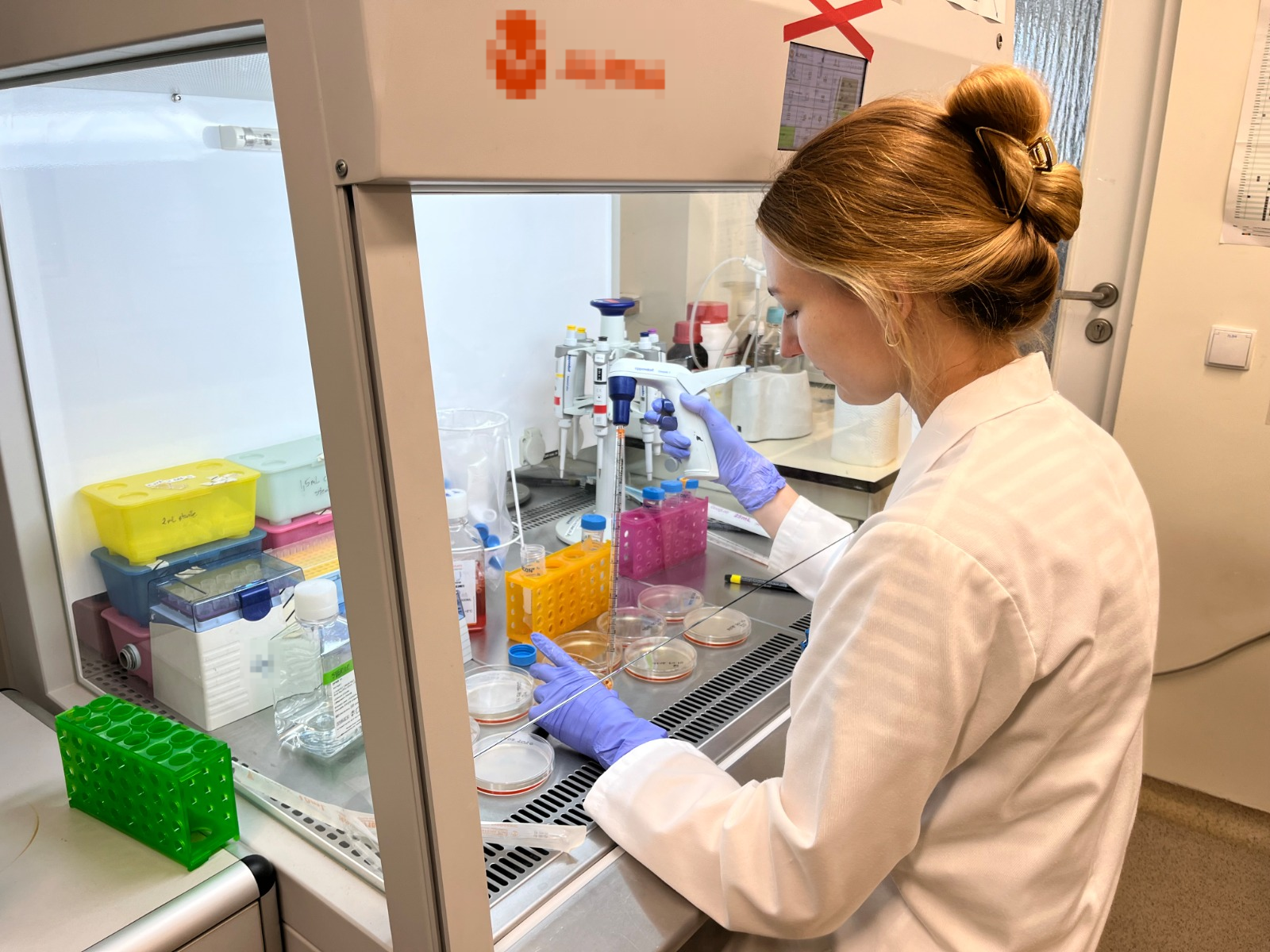
From experimental design to biological samples, careful laboratory work forms the foundation of the MISAME project. As part of Work Package 1 (WP1), researchers conduct experiments supporting the preclinical development and validation of MDC-735. These studies generate evidence needed to better understand the therapy’s effects and to assess its potential as a new treatment approach for glioblastoma.
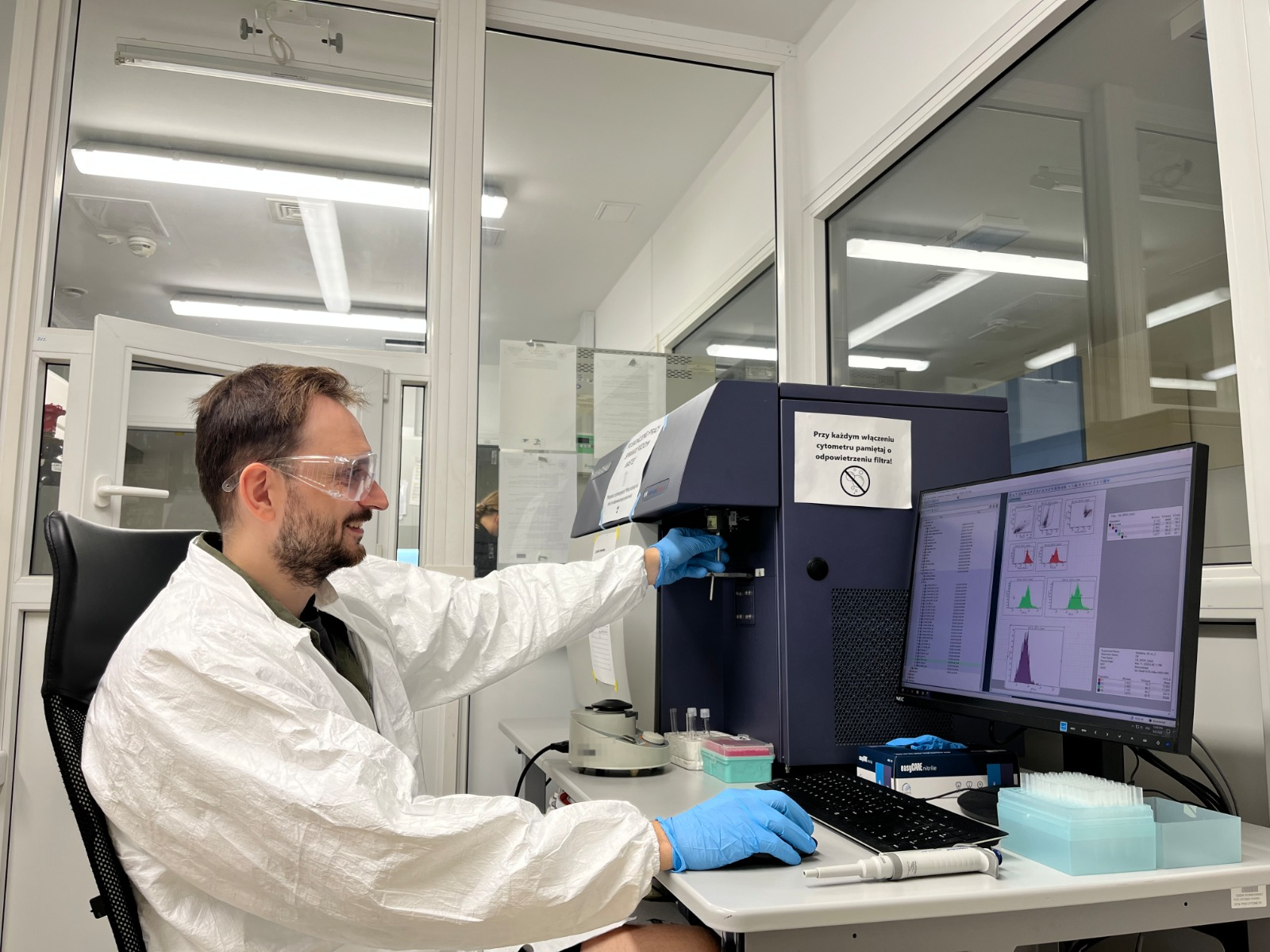
Analysing the immune response is a key part of the MISAME research programme. Within Work Package 1 (WP1), researchers use flow cytometry to examine how immune cells respond to MDC-735, an innovative macrophage-based therapy being developed for glioblastoma. The resulting data help identify early biomarkers that could indicate whether a tumour is responding to treatment, providing important evidence for the further development of MDC-735 towards Phase I and II clinical trials.
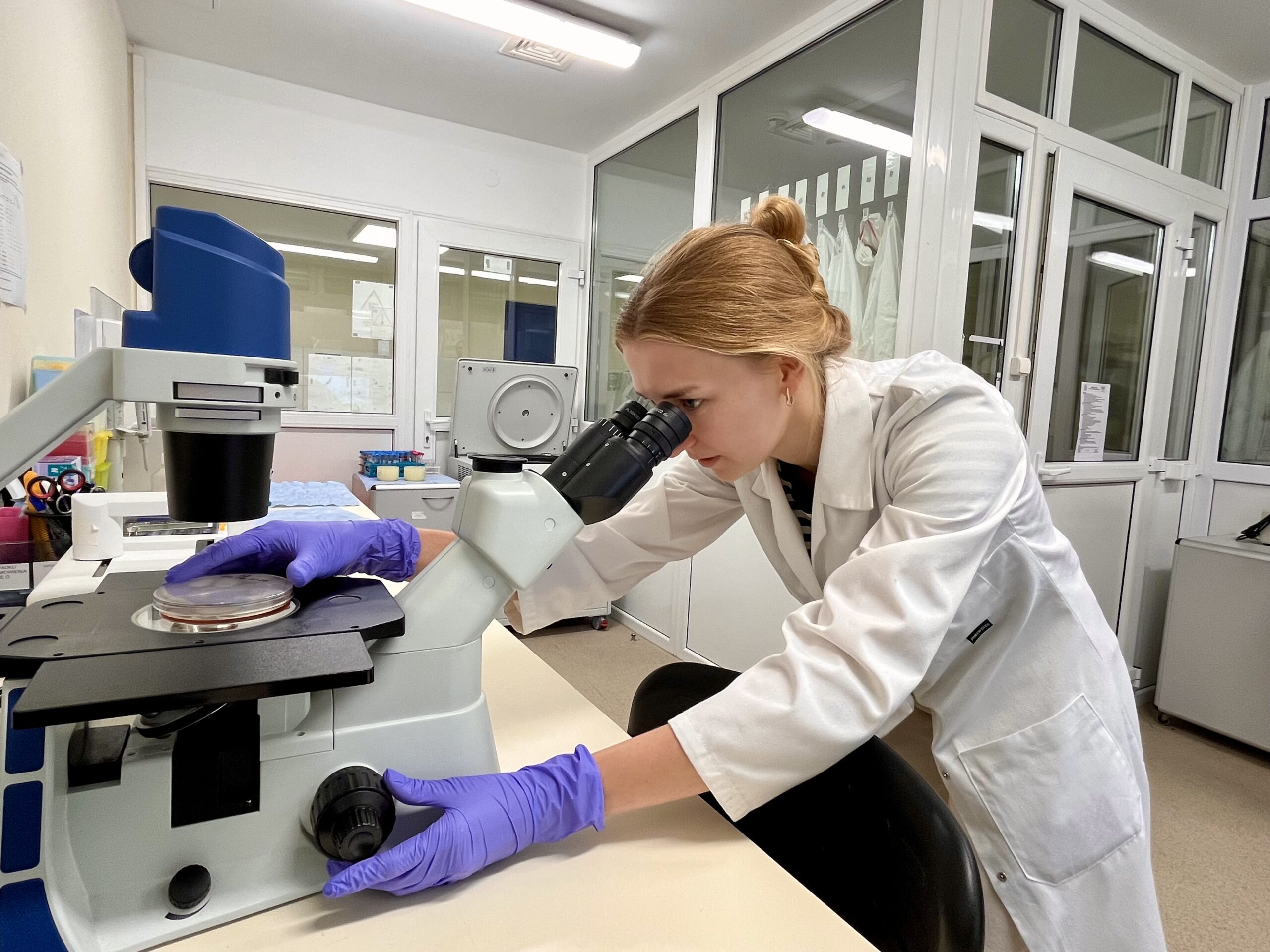
Microscopy provides a closer look at the cellular effects of the therapy. Within Work Package 1 (WP1), researchers examine cell cultures and monitor changes at the cellular level as part of the preclinical evaluation of MDC-735. These observations complement other experimental analyses and contribute to building a broader understanding of how the therapy interacts with biological systems relevant to glioblastoma.
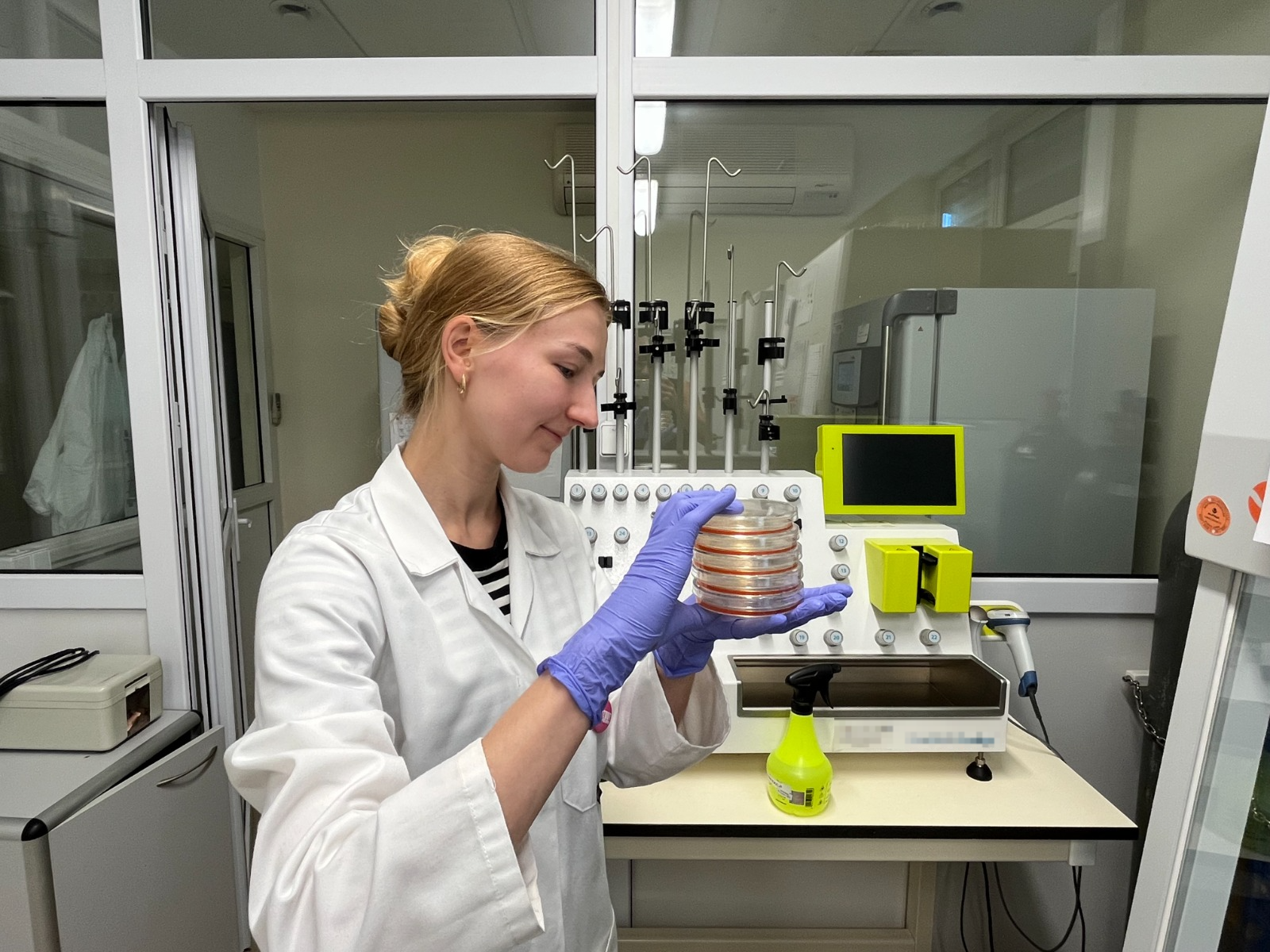
Behind every set of experimental results is a carefully prepared biological model. In Work Package 1 (WP1), cell cultures are maintained and prepared for experiments designed to support the preclinical development of MDC-735. This hands-on laboratory work provides the material and experimental foundation for studying the therapy and generating evidence that will support its continued development towards clinical evaluation in glioblastoma.
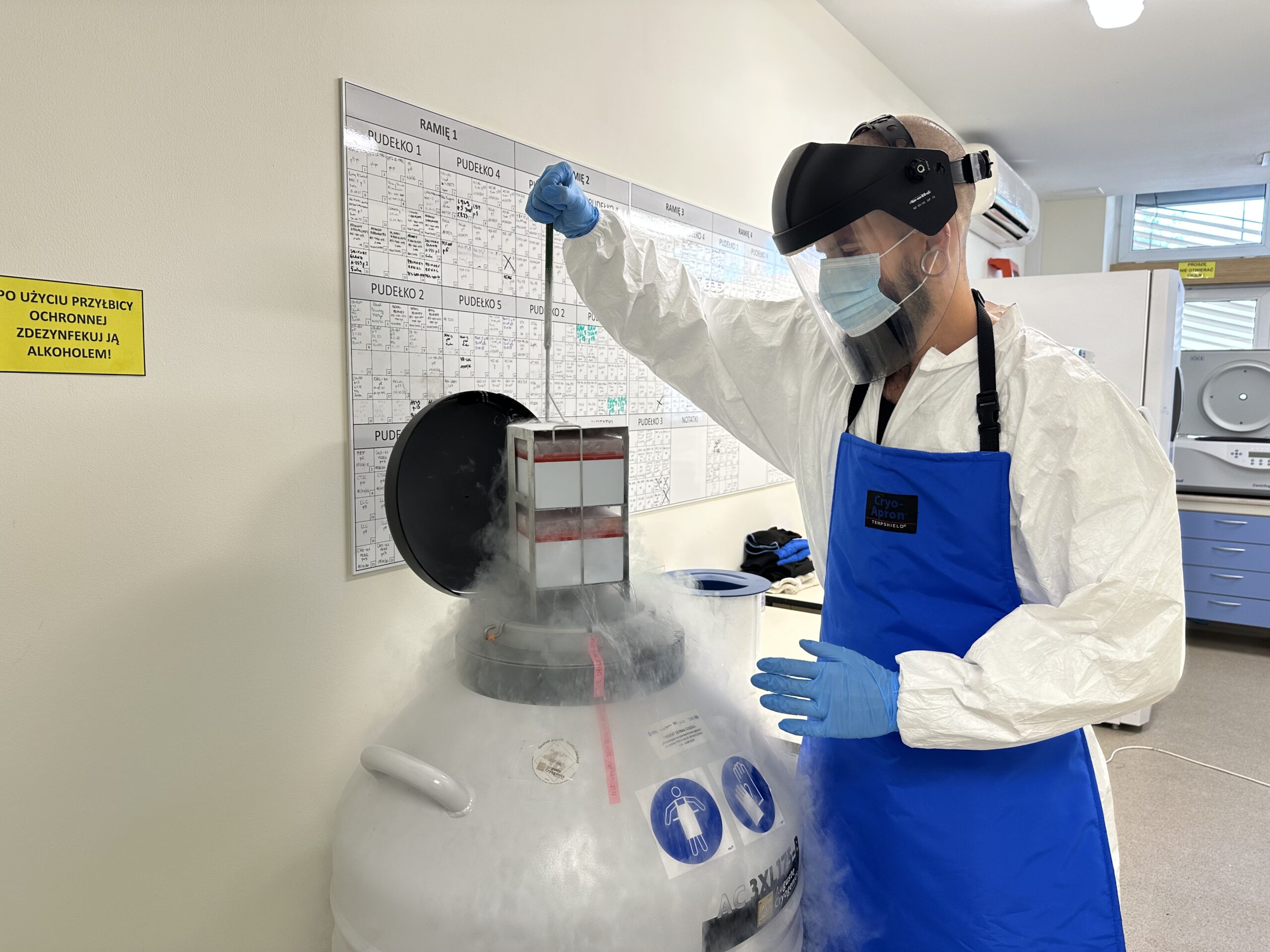
Handling cryopreserved MDC-735 and cancer-cell samples for in vitro studies within the MISAME project. Cryopreserved biological material is carefully retrieved from storage and prepared for laboratory experiments designed to investigate the activity of MDC-735 against cancer cells. These in vitro studies form an important part of the preclinical evaluation of the therapy and help generate evidence for its further development as a potential treatment for glioblastoma.

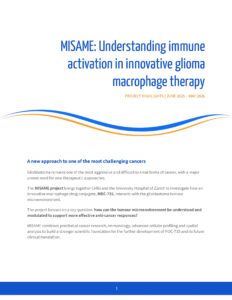
Read the report: Project Highlights 1
Click on the image to read the Report
Contact
Contact PCO:
Cellis Sp. z o.o.
Gen. Zajaczka 26
01-510 Warsaw
Poland
office (at) cellis.eu
Contact PCP:
University Hospital Zurich
Department of Neurology
Frauenklinikstrasse 26
8091 Zurich
Switzerland
tobias.weiss (at) usz.ch
Learn more
For more information on the Swiss–Polish Cooperation Programme, please visit the official website of the Swiss–Polish Cooperation Programme:
programszwajcarski.gov.pl/en
For more information on the Research and Innovation Programme – Applied Research, please visit the official NCBR website:
gov.pl/web/ncbr/call–2025
For more information on the National Centre for Research and Development (NCBR), please visit:
gov.pl/web/ncbr
To learn more about the project partners, please visit their official websites:
Cellis
University Hospital Zurich (USZ)
Funding
The project is implemented under the Research and Innovation Programme – Applied Research and is co-financed by the Swiss–Polish Cooperation Programme.
Supported by the Swiss Contribution to reducing economic and social disparities in the EU and from the state budget through the National Centre for Research and Development.
The project started on June 1st, 2025. The Grant Agreement was signed on September 8th, 2025.